by George Hopkins | Oct 2, 2026
We are proud to be principal designers and planning advisors to Sobry Beak, who have just been named Design-Led Residential Developer of the Year 2026 – Oxfordshire in BUILD magazine’s Real Estate & Property Awards.
It is wonderful to see their commitment to thoughtful, well-crafted and beautiful homes recognised.
Congratulations to Rupert, Jantiene and the whole team.
Please see the link below:
Sobry Beak Developments (2026 Winner: Real Estate & Property Awards) – BUILD Magazine

by George Hopkins | Aug 5, 2026
Appeal Allowed: Outline Permission Granted for 30 Dwellings North of Olimpick Drive, Chipping Campden
Published: 5 August 2026
An appeal against Cotswold District Council’s refusal of outline planning permission for residential development north of Olimpick Drive, Chipping Campden (GL55 6BL) has been allowed by the Planning Inspectorate.
The decision
Planning Inspector P Brennan has granted outline planning permission (Appeal Ref: 6006284) for up to 30 dwellings, with access as the only detailed matter and all other matters — appearance, landscaping, layout and scale — reserved for future approval. The application was made by Mr Haines of W R Haines (Leasows Farm) Ltd (Ref: 25/01194/OUT).
Key findings
The site lies within the Cotswolds National Landscape (formerly the Cotswolds AONB), and a public right of way (part of the Cotswold Way) crosses it. The Inspector concluded the development would cause moderate, localised harm to landscape character and visual amenity, conflicting with local landscape policies (EN1, EN4, EN5 of the Cotswold District Local Plan and CE1, CE4 of the Cotswolds National Landscape Management Plan).
However, Cotswold District Council currently has only a 1.8-year supply of deliverable housing land, well short of the five years required by national policy. This engaged the presumption in favour of sustainable development under paragraph 11 of the National Planning Policy Framework, meaning permission should be granted unless harms significantly and demonstrably outweigh the benefits. The Inspector found they did not.
Section 106 obligations
A completed Section 106 legal agreement secures:
1 plot for self-build/custom-build housing
12 affordable housing units (2 one-bed, 4 two-bed, 4 three-bed, 2 four-bed)
£41,649.66 toward 16–18 secondary education
£5,880 toward library services
Conditions
Twelve conditions are attached to the permission, covering the submission of reserved matters, surface water drainage, contaminated land assessment, a construction management plan, site waste management, a 10-year landscape and ecological management plan, a travel plan, and external lighting controls to protect local wildlife.
Full design, layout and appearance details will be subject to a future reserved matters application to the Council.
Source: Planning Inspectorate Appeal Decision, Appeal Ref 6006284, decided 5 August 2026.

by George Hopkins | Jun 30, 2026
Please support us if you can by using the link.
https://www.justgiving.com/page/gemnwendalldressedup?utm_medium=FR&utm_source=CL
by George Hopkins | Jun 11, 2026
Every year, we like to take on a challenge to raise money for charity.
Last year, we walked the Cotswold Ultra Challenge 100km in support of Horatio’s Garden, a charity that creates beautiful, accessible gardens for people affected by spinal injury.
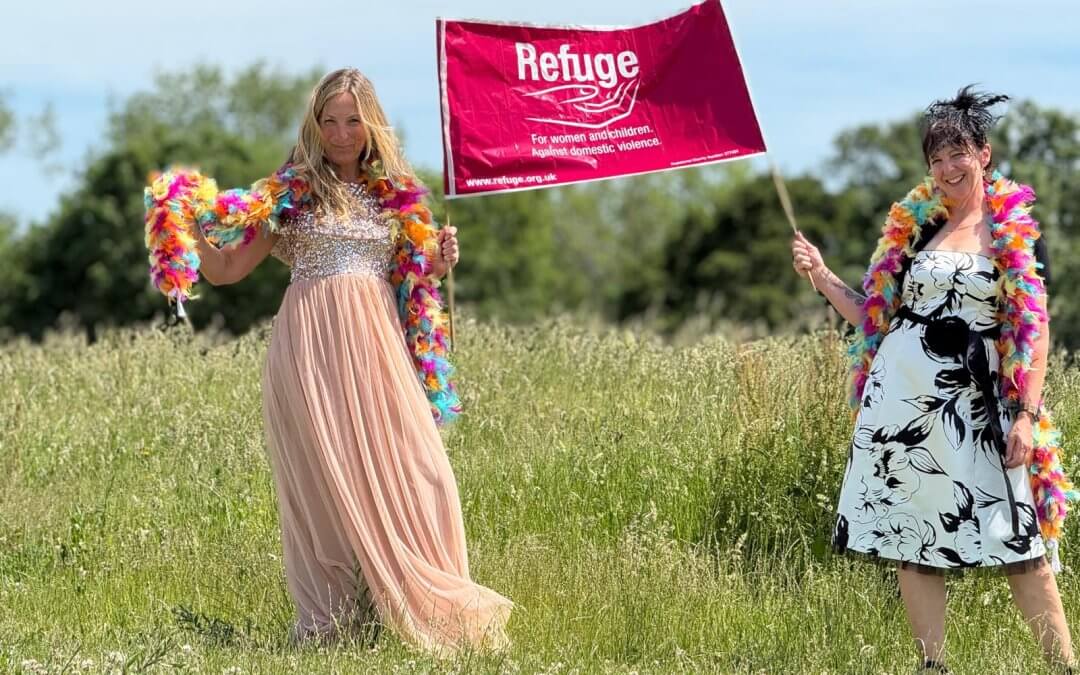
This year, we are doing something a little different. Our company director and a friend of hers will be walking the whole of the Cotswold Way (from Bath to Chipping Campden 164 kilometres) in stages over one week, wearing ballgowns, to raise money for the charity Refuge. The rest of the BPA team will be joining them (in ballgowns!) on different days along the way.
Refuge is an incredible charity that supports women and children to escape domestic abuse, helping them find safety, rebuild their lives, and access the support they need. All donations will go directly to Refuge, helping them continue their valuable work supporting women and children when they need it most.
Every step counts. Please support us if you can.
https://www.justgiving.com/page/gemnwendalldressedup?utm_medium=FR&utm_source=CL